
Enzyme Drain Cleaner and Septic Tank Treatments
These clear the film behind a slow drain. They cannot reach past a blockage, and a working septic tank does not need them.
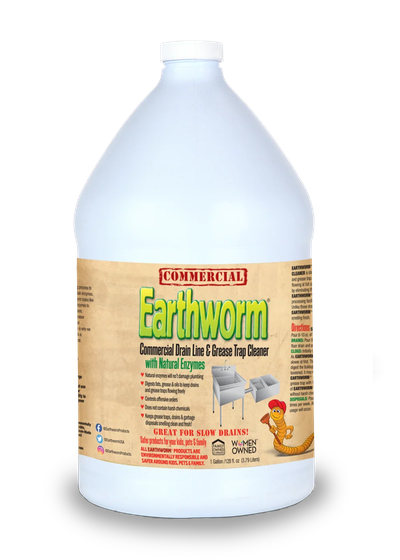
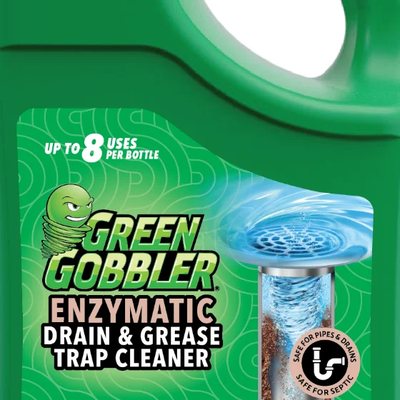
An enzyme drain product works on the film of grease, hair and food that lines a pipe, digesting it over hours. That makes it a maintenance product rather than an emergency one: lipase handles the fats, protease the food protein, and neither does anything to a solid obstruction.
Drain flies are the case where these products are the obvious answer rather than one option among several. The flies breed in exactly the organic film the enzymes eat, so removing the film removes the breeding site. A caustic opener punches a hole through the middle of the clog, which fixes the drainage and not the flies.
Pour it into a dry drain last thing at night. The reaction needs contact with the pipe wall, and a running tap carries the dose to the sewer before it has done anything.
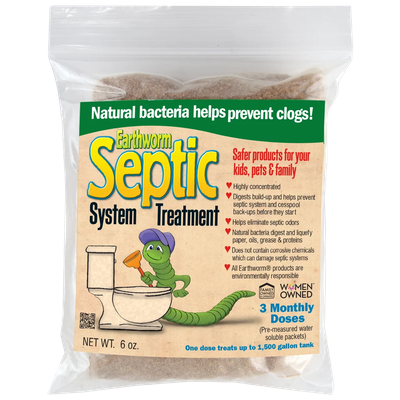
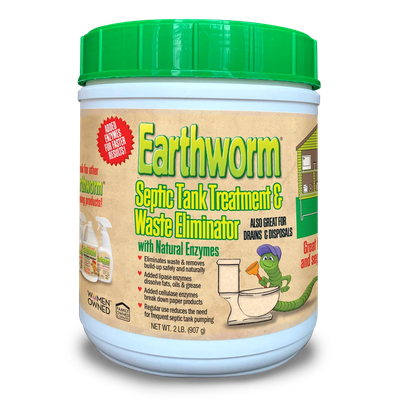
Septic tanks are the one place in this category where we argue against the product, and the evidence is not ours: a Washington State University extension bulletin states that the bacteria in an additive dose "remains small compared to the bacteria already in a tank," citing a 48-tank study with no sludge-level difference. The reason is dosing. A working tank holds an enormous resident culture, so a cup of spores changes little; a pipe-wall biofilm holds nothing comparable, which is why the same chemistry earns its keep in the pipe and not the tank.
Do Plumbers Recommend Enzyme Drain Cleaners?
For maintenance yes, for an active blockage no. Conflating those two jobs is why the answer looks contradictory across a search results page. The trade objection to enzyme drain products is never that the chemistry fails. It is that the chemistry is too slow to be worth a call-out, which is an argument about billable time rather than about whether the film comes off.
| A slow drain that still drains | An enzyme treatment overnight, repeated monthly. This is the job it was built for. |
|---|---|
| Drain flies | An enzyme treatment, because it removes the breeding film rather than the adult flies. |
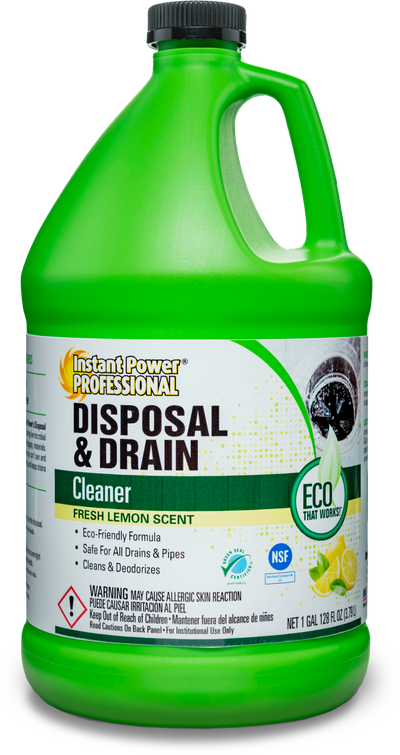
| A garbage disposal that smells | An enzyme treatment. The smell is food residue in the splash guard and the grind chamber. |
| A fully blocked drain | Nothing enzymatic. It cannot flow past a blockage to reach anything. Use a snake or call somebody. |
| A hard water or limescale ring | Acid. Vinegar is cheaper than anything we list, and enzymes have no bond to cut in a mineral deposit. |
The split also explains the shelf. Enzyme drain products sit next to caustic openers because the two are sold for the same symptom, and they are not the same product at all: one attacks whatever it touches and stops where the pipe blocks, the other works only on organic film and keeps working for as long as the pipe stays wet. Choosing between them means choosing which behavior the drain actually needs.
Do Septic Tanks Actually Need an Enzyme Treatment?
Most do not. A healthy tank is already the largest bacterial culture on the property, and the extension-service evidence says an additive dose is small against it. Two situations change the answer. A tank coming back into service after a house sat empty has lost its population and a starter dose is defensible. A tank fed by a heavy kitchen grease line has a problem in the line rather than in the tank. That is where the treatment earns its money.
Enzyme chemistry itself is safe for a septic system. The HERA industry risk assessment records that detergent subtilisin is readily and ultimately biodegradable, and that sewage treatment removes more than 99 percent of it. Safety was never the interesting question here. Whether the dose does anything is.
The tank and the pipe make a useful contrast in why the same organisms can be worth buying in one place and beside the point in the other. A pipe wall is a barren surface with a thin film on it, so any dose that establishes there is the only culture in town. A tank is the opposite: warm, loaded, and continuously inoculated by everything that drains into it, so the resident population dwarfs any additive by design. The extension bulletin is a verdict on additives in a working system, not on the organisms themselves, and it does not transfer to the drain-line case.
Buyer-rating evidence for Enzyme Drain Cleaner
Ordered from the published retailer rating and the size of its cited buyer pool. This is not a product test. Ignore the sticker on concentrates: at 1:64 a fifty-dollar gallon costs about a penny per diluted ounce, and the dilution ratio decides.
A buyer pool for a drain product is unlike a buyer pool for a pet spray, and the difference changes how the cards read. Drain dosing is habitual: the same household buys the same bottle on a schedule and reports after months of use. The ratings lean toward experience over time rather than a single dramatic night. That is the right evidence for a maintenance chemistry, and it is the wrong evidence for a rescue product, which no enzyme drain cleaner claims to be.
Weight the review count with the job in mind. A large pool built on slow-drain maintenance says the product keeps a working line working, which is exactly the claim on the label. A small pool on a septic additive says less, because the outcome it advertises is invisible by design. A tank that keeps working is a tank nobody thinks about, and nobody reviews the absence of a backup.
Format does most of the pricing work here as everywhere in the category. Gallon concentrates dominate the drain aisle because a line dose is measured in ounces per treatment and repeats monthly. The per-treatment cost of a concentrate runs far under any ready-to-use bottle. When the cards sit close, the concentrate with a published dilution ratio is the defensible pick for a scheduled program.

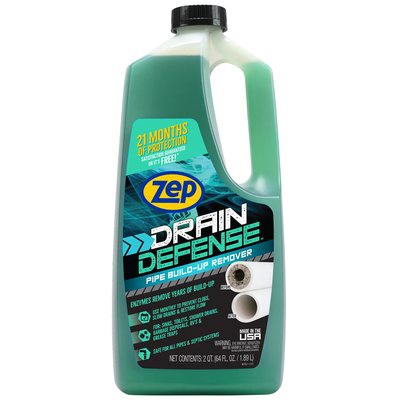
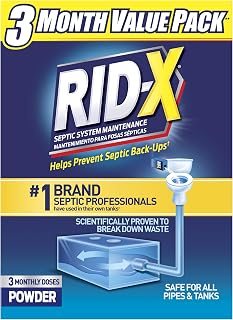
What the cited evidence supports: An enzyme drain treatment removes the organic film behind slow drains, disposal smells and drain flies. It does nothing for a blockage or a working septic tank.
What would change this conclusion: A controlled comparison showing monthly enzyme dosing makes no difference to grease film thickness on a pipe wall against an untreated control.
What we could not verify: Any published net-ammonia balance for a bacterial product, and any figure for how much film a single household dose removes. Neither exists in the trade literature or the patent family we read.
Every Enzyme Drain Cleaner and Septic Treatment We Track, With Prices
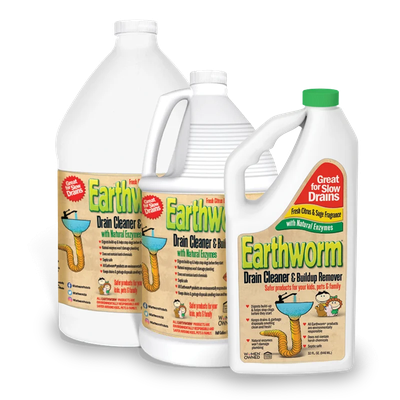
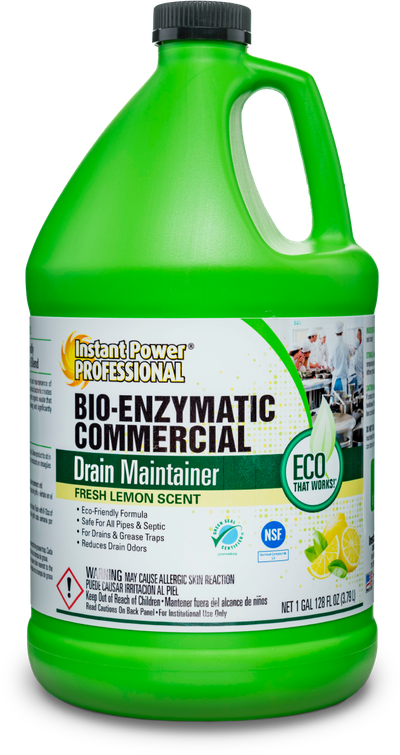
This grid holds the full drain and septic category, every product we track, priced where a price is published and rated where a retailer publishes a count. The category mixes two different purchases under one shelf, overnight drain maintainers and septic additives, and the split matters more than any brand difference inside either group. The two groups are listed together and read separately.
For the drain side, read each card against the two jobs it can hold. A product dosed into a kitchen line is buying film control. The same liquid in a bathroom drain buys control of a different film, hair and soap rather than grease. Neither use rescues a blocked pipe, and no card in this grid claims to, because no liquid chemistry flows past a solid obstruction.
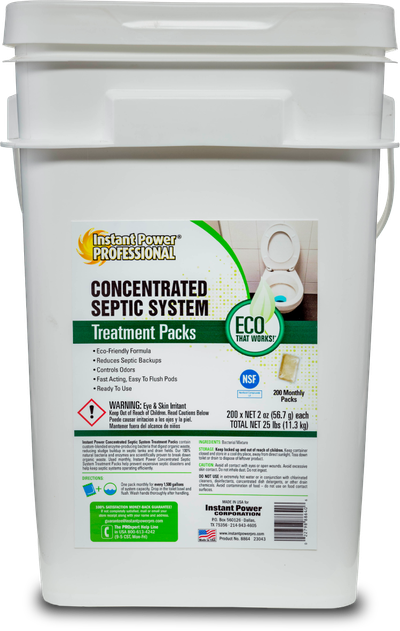
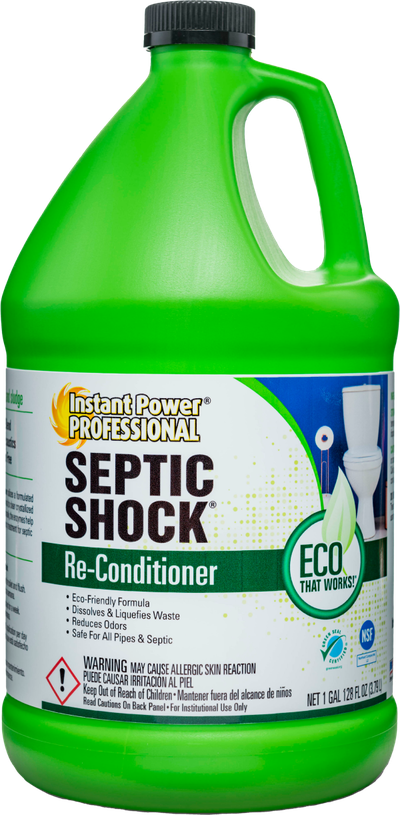
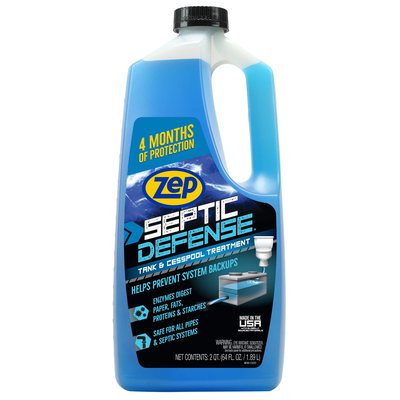
For the septic side, the honest read is restraint. The extension evidence says a working tank does not need a dose. The cards exist because tanks come back into service after a house sits empty, because grease lines feed some systems, and because buyers will shop the category anyway. Buy the drain product for the drain, dose a resting tank when it restarts, and let a healthy tank run.
Across both groups, the concentrate arithmetic decides price more than the sticker does. A monthly program consumes a known number of ounces per year. The gallon that dilutes to specification is the true budget choice, and a ready-to-use bottle is convenience priced accordingly. A gallon at label dilution carries a year of monthly doses for most households. That is the whole case for the format.

How to Clear Drain Flies, Slow Drains and Disposal Smells
Enzyme Drain Cleaner for Drain Flies
No enzyme product kills a fly. It digests the film on the pipe wall, and that film is the only place the larvae can live.
Read the guideEnzyme Cleaner for a Smelly Drain: What Works
The smell is a grease film on the pipe wall above the water line, not something sitting in the water.
Read the guideSeptic Tank Enzyme Treatment: Do You Need One?
Most septic tanks do not need this. Here is the case where one does.
Read the guideEnzyme Cleaner for a Garbage Disposal That Smells
The smell is almost never in the grinding chamber. It is in the rubber splash guard and the gap above the impellers.
Read the guideEach card here is a delivery question rather than a chemistry question. Drain flies breed in the film, the smell rises from the film, and a slow drain is the film thickening. The method underneath every card is the same: find the wet surface the problem lives on, put working liquid in contact with it, and keep rinse water off it long enough for the contact to count. Protecting the dwell is the step everyone drops.
The differences between the cards are where the liquid has to sit and how it gets there. A disposal holds its film under a rubber flap that a brush reaches first. A kitchen line holds grease above the water, where a clinging gel outperforms anything thin enough to run past. A septic tank asks the restraint question instead, and its card says so plainly. Read the card for the surface you actually have.
Sources
| Claim | Citation | Tier | Read |
|---|---|---|---|
| An additive dose is small against the bacteria already in a septic tank | Washington State University extension bulletin on septic additives | Extension-service summary | |
| A study of 48 septic tanks found no sludge-level difference with additives | Washington State University extension bulletin on septic additives | Extension-service summary | |
| Detergent subtilisin is readily biodegradable and more than 99 percent removed in sewage treatment | HERA industry risk assessment, protease | Direct or original source | |
| Lipase breaks the ester bonds in fats and oils | Enzyme classification literature on hydrolases | Direct or original source | |
| No published net-ammonia balance exists for a bacterial product | Urease-inhibitor patent family and trade odor literature, searched | Direct or original source |